REEID EDITORIAL
Should translated WordPress pages use translated URL slugs?
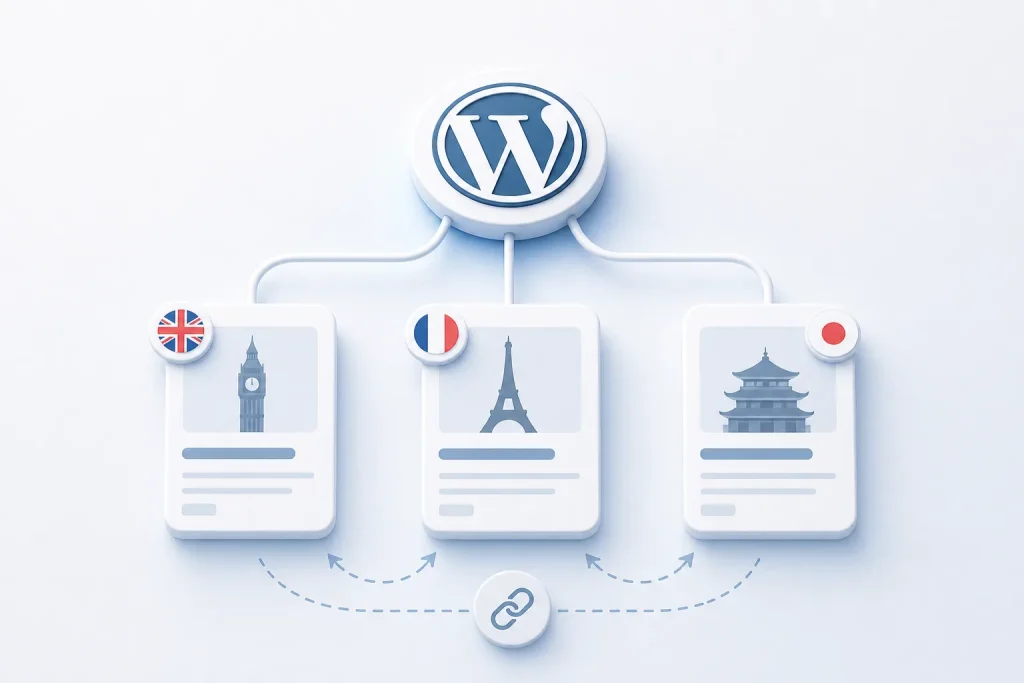
Translated URL slugs can make multilingual WordPress sites easier to navigate and easier to understand, but they also introduce routing, redirect, and consistency risks. The right choice depends on whether the slug is part of the user-facing language experience, how stable your permalink structure needs to be, and whether canonical and hreflang signals stay aligned across languages.
Key takeaway
Use translated slugs when they improve the language experience and can be kept stable; avoid changing them casually, because slug changes affect routing, redirects, and the long-term consistency of canonical and hreflang relationships.
Why translated slugs can help in multilingual WordPress
A translated slug changes the visible path segment of a WordPress URL so it matches the page language instead of leaving the original-language term in place. For users, that can make the URL easier to read, easier to trust, and more consistent with the rest of the localized experience.
In multilingual sites, the slug is not just a cosmetic label. It is part of the permalink structure that users copy, share, and sometimes inspect before clicking. If the slug is in the same language as the page content, it can reduce friction for visitors who rely on the URL as a cue about what they are about to open.
When translated slugs are the better choice
Translated slugs are most defensible when the page is clearly language-specific and the site treats each language version as a first-class page rather than a thin duplicate. In that case, the slug can reinforce the language relationship between the URL, the content, and the navigation context.
They are also useful when the site structure depends on human-readable paths for browsing or internal linking. If editors and implementers expect URLs to be understandable in each language, translated slugs can improve consistency across menus, breadcrumbs, and shared links.
The benefit is strongest when the slug is stable. A translated slug that changes repeatedly because of editorial rewrites or inconsistent translation choices creates more operational cost than value, because every change can require redirect handling and can alter how external links resolve.
What can break when slugs are translated
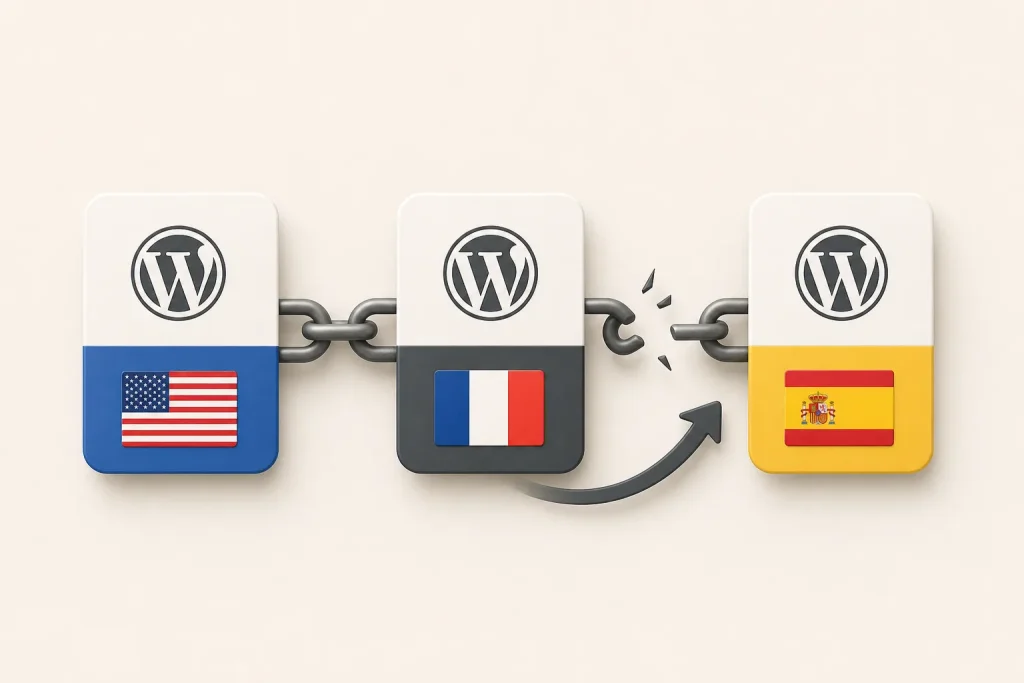
The main technical risk is routing. WordPress resolves requests through the permalink structure, so a slug change means the old path no longer points to the same content unless redirects or equivalent routing logic are in place. Without that, old links can fail or land on the wrong language version.
Redirects are not just a convenience layer here; they preserve continuity for users and search engines when a slug changes. But redirects also add another dependency that must be maintained. If they are missing, inconsistent, or chained through multiple hops, the site can accumulate avoidable failure modes.
Translated slugs can also complicate content relationships. If the language versions are meant to correspond to one another, the URL path should not drift away from the canonical page identity. Otherwise, the site can end up with language variants that look related to users but are harder to keep aligned in indexing and internal linking.
How canonical and hreflang relationships should stay aligned
Canonical signals and hreflang relationships serve different purposes, but they need to describe the same content set consistently. Canonical tells search engines which URL should be treated as the preferred representative for a page, while hreflang expresses language relationships among equivalents.
If translated slugs are used, the language-specific URL should remain stable enough that these relationships do not need constant repair. A page can have a translated slug and still be canonical for its language version, but the implementation must avoid creating ambiguity about which URL is the durable one.
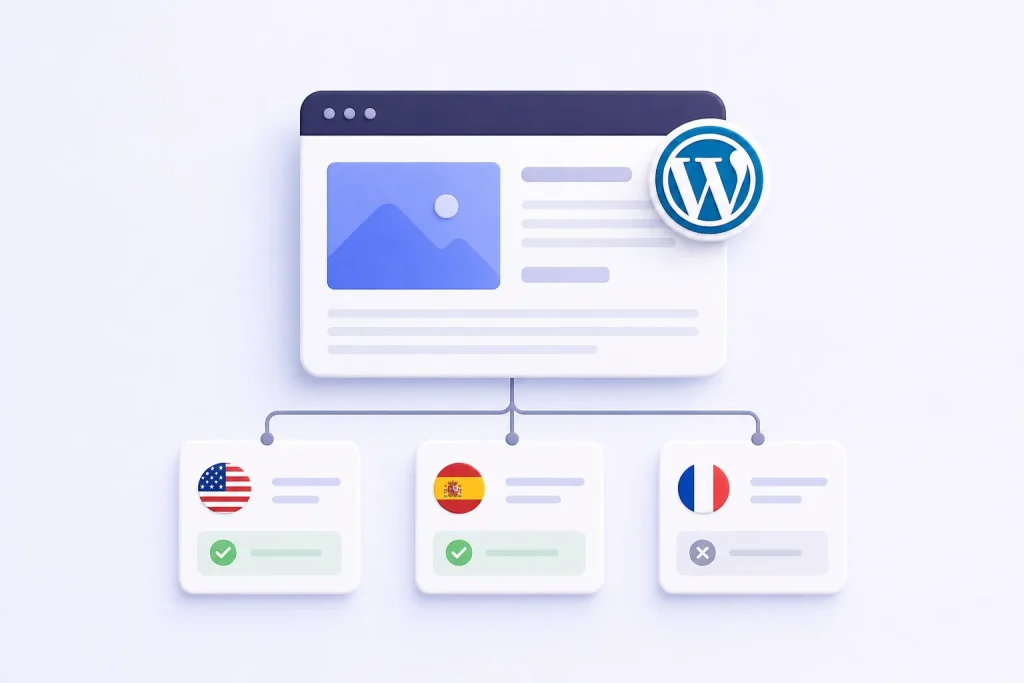
The practical rule is consistency: the slug, the canonical target, and the hreflang mapping should all point to the same language version over time. If one changes without the others, search engines and users can receive mixed signals about which page is authoritative for that language.
Operational trade-offs for WordPress owners and implementers
For implementers, the decision is less about whether translated slugs are allowed and more about whether the site can support them without creating unstable URLs. That means planning for permalink changes, redirect maintenance, and editorial discipline around slug edits.
For WordPress owners, the trade-off is between language-native usability and long-term URL stability. A translated slug can improve the user-facing experience, but only if the site can preserve the path as a durable identifier for that page in that language.
A practical implementation should treat slugs as part of the content model, not as disposable text. Once a language-specific slug is published, changing it should be treated like changing any other public identifier: deliberate, rare, and accompanied by routing and relationship updates.
Frequently asked questions
Do translated slugs automatically improve SEO?
No. They can improve clarity and language consistency, but SEO depends on stable URLs, correct canonical handling, and accurate hreflang relationships. A translated slug that changes often or breaks redirects can create more problems than it solves.
Should every language version use a different slug?
Not necessarily. The better question is whether a translated slug improves the user experience for that language and whether the site can keep it stable. If the untranslated slug is already clear and consistent, changing it may not add enough value to justify the operational risk.
What is the biggest risk of changing a translated slug after launch?
The biggest risk is breaking the old URL path unless redirects are maintained. That can affect users, internal links, and search engine continuity, and it can also force updates to canonical and hreflang references if the URL identity changes.
How should translated slugs relate to canonical URLs?
The translated slug should be part of a stable URL that matches the page’s canonical identity for that language version. If the slug changes, the canonical target and language relationships should be reviewed so they still describe the same page set consistently.
SOURCES & EVIDENCE
Google: Localized versions · Google: Canonicalization · WordPress Rewrite API
PUT THE ARCHITECTURE TO WORK
See how WordPress integrations behave in a multilingual system
Explore plugin-specific compatibility, translation surfaces and implementation notes in the REEID Integration Directory.

AIOSEO
REEID has tested and verified AIOSEO compatibility with REEID Translate. No specific visitor-facing translation field is currently published for this integration.

Rank Math
REEID has tested and verified Rank Math compatibility with REEID Translate. No specific visitor-facing translation field is currently published for this integration.

Yoast SEO
REEID has tested and verified Yoast SEO compatibility with REEID Translate. No specific visitor-facing translation field is currently published for this integration.